Why Stock Indices Are Important for Investors

Stock market indices are more than just numbers on a screen. They act as barometers of economic health, tools for benchmarking investment performance, and guides for understanding corporate value. For investors, indices provide crucial insights that influence decision-making and portfolio strategies.
Stock Indices as Barometers of Economic Health
Stock indices are often viewed as mirrors of a country’s economy. When markets rise, they signal optimism, growth, and expanding corporate profits. When they fall, they often reflect economic stress or uncertainty.
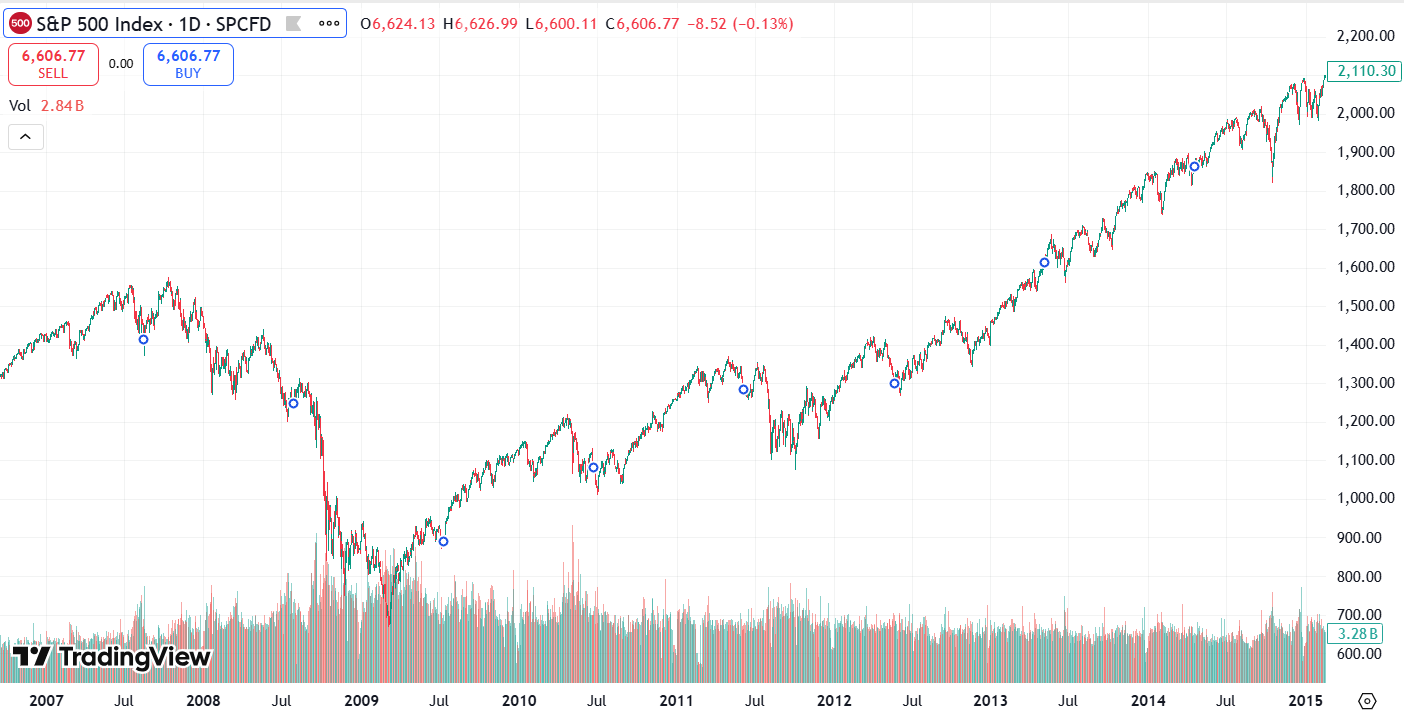
Take the S&P 500, for example, which tracks 500 of the largest publicly traded U.S. companies. It is widely regarded as one of the most reliable indicators of the U.S. economy. During the 2008 global financial crisis, the S&P 500 plummeted as housing markets collapsed and banks faced insolvency. Similarly, in 2020, when the COVID-19 pandemic brought global economies to a halt, the index experienced one of its sharpest declines in history. These downturns illustrate how indices can capture the shocks and recoveries of entire economies in real time.
By watching an index like the S&P 500, investors gain a sense of the broader economic climate—whether it is conducive to risk-taking or demands caution.
Reflecting Corporate and Industry Value
Indices also capture the fortunes of industries and companies. When leading firms within a sector perform well, the sectoral or composite index usually rises. This makes indices powerful indicators of corporate strength.
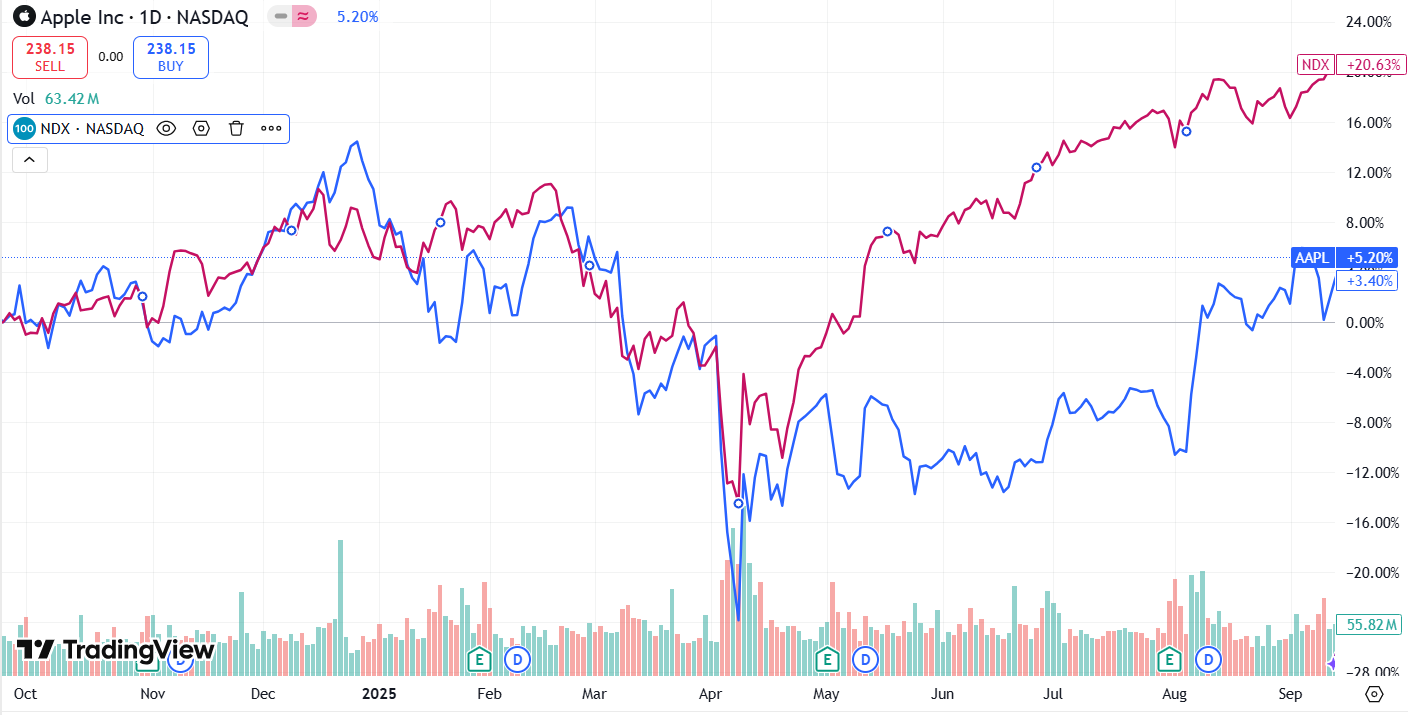
For example, the Nasdaq 100 Index, which is heavily weighted towards technology companies, often moves in close correlation with the performance of major tech firms. When Apple’s stock price rises on strong earnings reports, the Nasdaq 100 tends to climb as well, reflecting the influence of Apple and other giants on the broader technology sector.
This relationship demonstrates how indices aggregate individual corporate outcomes into a broader market signal, making it easier for investors to track industries without analysing each company one by one.
Benchmarking Investment Performance
Stock indices are also essential tools for evaluating the success of investment products. Many funds, ETFs, and managed portfolios are benchmarked against indices like the S&P 500. If a fund advertises annual returns of 15%, this may sound impressive in isolation. But if the S&P 500 delivered 20% over the same period, the fund actually underperformed relative to the market.
Comparisons like these allow investors to separate truly skilled fund managers from those who simply ride general market movements.
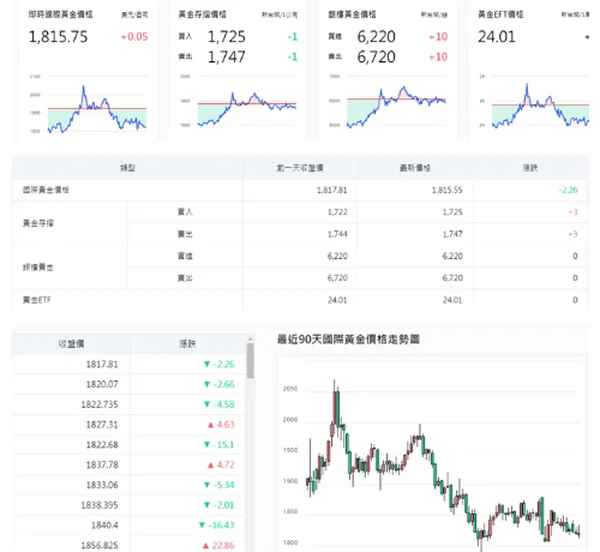
Indices also serve as reference points across asset classes. For instance, between 2015 and 2021, the S&P 500 consistently outperformed gold. While gold is often viewed as a safe-haven asset, the higher returns of the S&P 500 during that period highlight how equities can deliver stronger long-term growth.

Tools for Strategic Decision-Making
Beyond benchmarking and performance evaluation, indices guide strategy. Investors may use them to:
- Identify sectors or regions worth allocating capital to.
- Track global sentiment by comparing indices from different countries.
- Diversify portfolios using index-tracking ETFs or derivatives.
- Hedge against market downturns through index futures or options.
By consolidating market complexity into accessible indicators, indices help investors make more informed, data-driven decisions.
Conclusion
Stock indices are far more than background noise in financial news—they are indispensable tools for investors. They capture the health of economies, reflect corporate fortunes, and serve as benchmarks for performance. With practical applications ranging from risk management to portfolio construction, understanding indices is essential for anyone serious about navigating the financial markets.
At SiegPath, we believe in empowering traders and investors with the knowledge and tools needed to interpret these signals effectively. By mastering how indices work and why they matter, you can make more confident, strategic investment decisions in any market environment.
Read more articles