Why Do Traders Invest in Gold and Silver?
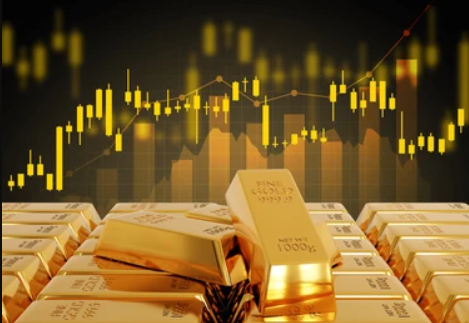
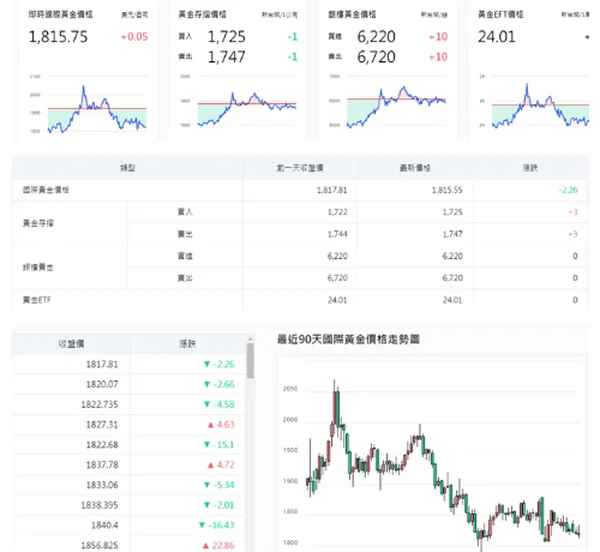
Gold and silver have long been cherished for their intrinsic value and have served as reliable stores of wealth. In today's financial markets, these precious metals continue to attract traders for various compelling reasons. Let's delve into the factors that make gold and silver attractive investment options.
1. Market Structure and Trading Venues
The global trading of gold and silver is primarily conducted through well-established markets:
- London Bullion Market Association (LBMA): The LBMA sets the standard for gold and silver trading, facilitating transactions through clearing banks in London.
- Chicago Mercantile Exchange (CME): Known for its COMEX division, the CME offers futures contracts for both gold and silver, providing traders with opportunities for speculation and hedging.
- Shanghai Futures Exchange (SHFE): In recent years, the SHFE has seen significant growth in trading volumes, especially in silver futures, reflecting China's increasing influence in the precious metals market.
These platforms ensure liquidity and transparency, making it easier for traders to enter and exit positions.
2. Supply and Demand Dynamics
The supply and demand for gold and silver are influenced by various factors:
- Gold: With an annual production of approximately 4,000 tonnes, gold's supply is relatively limited.
- Silver: In contrast, silver has an annual production of about 25,000 tonnes, making it more abundant.
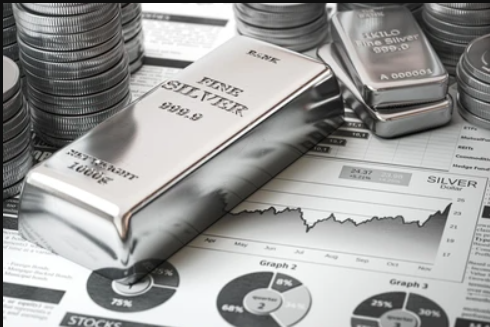
Despite silver's higher production, its price remains significantly lower than gold's, partly due to its dual role as both an industrial metal and a store of value.
3. Investment Vehicles
Traders can invest in gold and silver through various instruments:
- Physical Bullion: Owning tangible gold or silver bars and coins.
- Futures Contracts: Engaging in contracts to buy or sell at predetermined prices.
- Exchange-Traded Funds (ETFs): Investing in funds that track the price of gold or silver.
- Contracts for Difference (CFDs): Speculating on price movements without owning the underlying asset.
Each of these instruments offers different risk profiles and liquidity, catering to various trading strategies.
4. Economic Indicators and Price Movements
The prices of gold and silver are sensitive to economic indicators:
- Interest Rates: Lower interest rates often lead to higher gold and silver prices as they reduce the opportunity cost of holding non-yielding assets.
- Inflation: Both metals are considered hedges against inflation, with their prices typically rising during periods of high inflation.
- Geopolitical Stability: Uncertainty in global politics can drive investors towards the safety of precious metals.
Understanding these indicators helps traders anticipate price movements and make informed decisions.
5. The Gold-Silver Ratio
The gold-to-silver price ratio is a key metric for traders:
- Historical Average: Over the past 50 years, the average ratio has been around 55:1.
- Current Trends: Recent fluctuations in this ratio can indicate market sentiment and potential trading opportunities.
Monitoring this ratio allows traders to assess relative value and make strategic investments.
6. Industrial Demand for Silver
Silver's industrial applications add another layer to its investment appeal:
- Electronics: Silver is a key component in electronic devices due to its excellent conductivity.
- Solar Energy: The growth of solar energy technologies has increased demand for silver in photovoltaic cells.
- Medical Devices: Silver's antimicrobial properties make it valuable in medical applications.
These industrial uses contribute to silver's price movements and offer additional factors for traders to consider.
Conclusion
Gold and silver remain integral to the global financial system, offering traders opportunities for diversification, hedging, and speculation. Understanding their market structures, supply and demand dynamics, investment vehicles, economic indicators, and the gold-silver ratio can enhance trading strategies and decision-making.
Read more articles